A Renewed Spotlight on Tariffs
Tariffs have once again become a central topic in global economic discussions. As major economies adjust their trade policies, tariffs are being used not only as economic tools but also as strategic instruments in broader geopolitical dynamics.
What was once a technical aspect of trade agreements is now influencing markets, industries, and international relations.
What Are Tariffs — and Why Do They Matter?
Tariffs are taxes imposed on imported goods. Governments use them to:
- protect domestic industries
- influence trade balances
- respond to foreign policy decisions

While tariffs can support local production, they often lead to higher costs for businesses and consumers.
Rising Tensions Between Major Economies
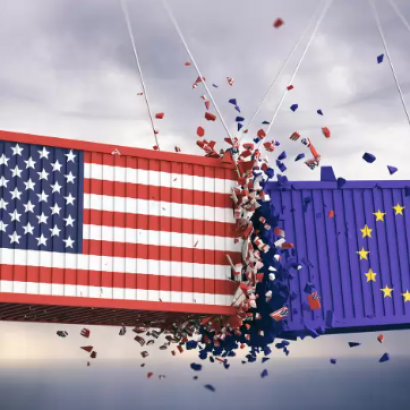
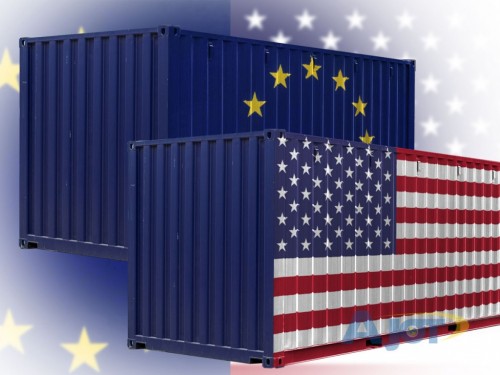
In recent years, tariff policies have been at the center of tensions between major global players, particularly between the United States and its trading partners, including Europe and Asia.
These tensions are driven by:
- competition in technology and manufacturing
- concerns over economic dependence
- efforts to protect strategic industries
As a result, tariffs are increasingly tied to long-term economic strategy rather than short-term trade adjustments.
Impact on Global Markets
Tariffs have a direct and immediate effect on financial markets. When new measures are introduced, investors often react quickly.
Key impacts include:
- volatility in stock markets
- changes in commodity prices
- shifts in currency values
Industries that rely on global supply chains are especially sensitive to these changes.
Businesses Adapting to a New Reality
Companies around the world are adjusting their strategies in response to tariff uncertainty.
Common responses include:
- relocating production to avoid tariffs
- diversifying supply chains
- focusing on regional markets
This shift is contributing to a broader trend of economic regionalization.
More Than Economics: A Strategic Tool
Tariffs are no longer just about trade—they are increasingly used as tools of geopolitical influence.
Governments are leveraging tariffs to:
- negotiate trade agreements
- apply economic pressure
- secure strategic advantages
This adds a new layer of complexity to global economic relations.
What Comes Next?
The future of tariffs will depend on political decisions, economic priorities, and global cooperation.
Possible scenarios include:
- easing tensions through negotiations
- further escalation and protectionism
- a shift toward regional trade blocs
Conclusion
Tariffs are once again shaping the global economic landscape. As trade tensions evolve, their impact is being felt far beyond customs borders—affecting markets, businesses, and consumers worldwide.
Understanding how tariffs work—and why they are used—is becoming essential in navigating today’s economic environment.